Dog Neutering Surgery in Gurgaon: Age, Cost, Recovery and What to Expect
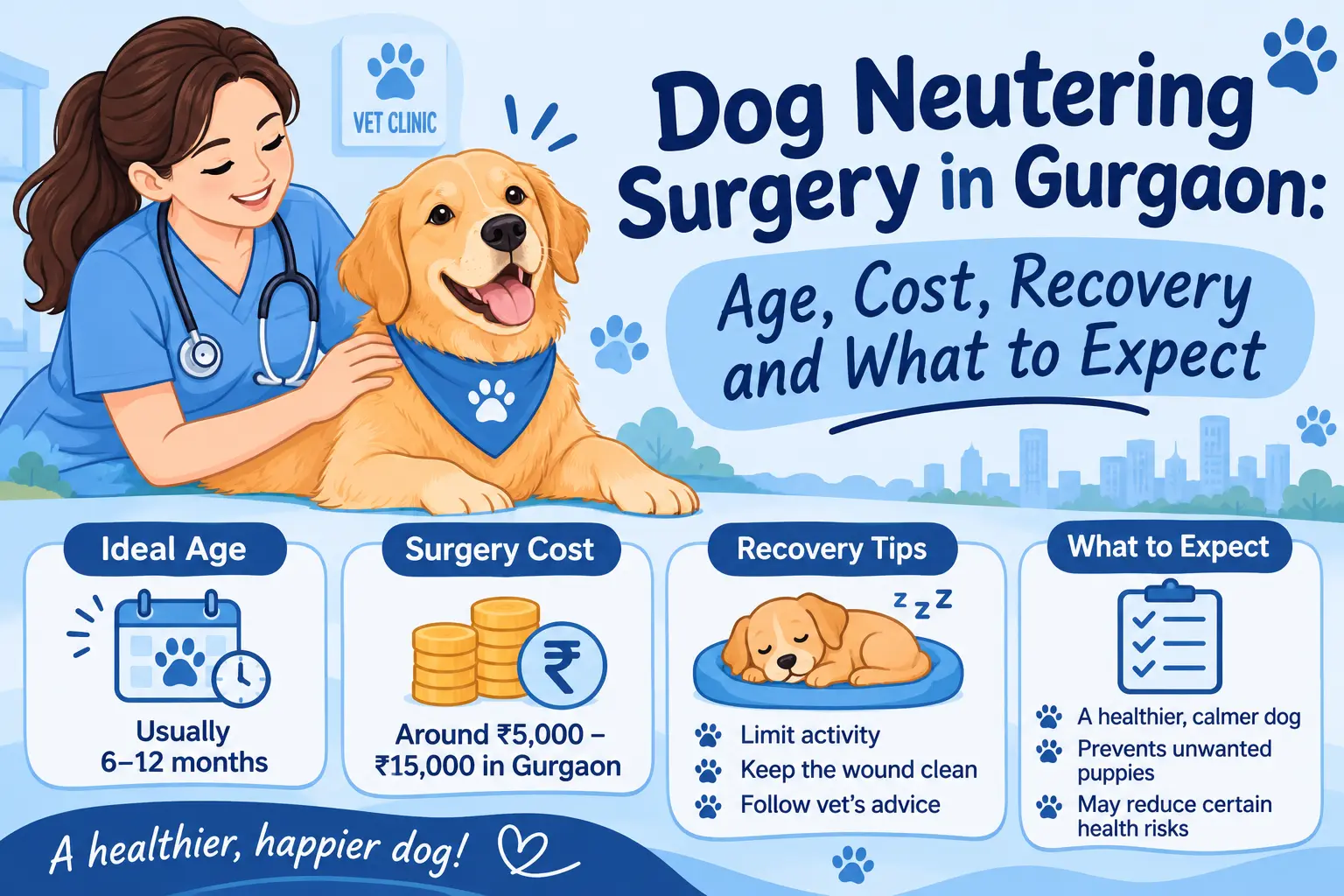
Ask a room full of dog parents why they haven’t neutered yet, and a lot of them won’t say cost or time. They’ll say they just can’t stand the thought of their dog going under the knife. I get it. Your dog trusts you completely, and handing them over for surgery can feel like a betrayal, even when you know it’s good for them. But the fear is usually bigger than the reality, and it shrinks fast once you know what the day and the recovery actually look like. Choosing among the pet care services in Gurgaon that offer proper pre-surgery checks, monitored anaesthesia, and clear aftercare can make that first step feel a lot less scary.
What neutering actually is, and why vets push for it
For male dogs, neutering means removing the testicles. For female dogs, the procedure involves removing the ovaries and usually the uterus, which is also called spaying. Yes, it prevents unwanted litters, but that is not the main reason vets recommend it. It protects the dog’s health. Male dogs have a lower risk of certain reproductive health problems, fewer prostate-related issues, and are less likely to roam in search of females in heat, potentially getting into fights or being hit by vehicles. Females avoid pyometra, a womb infection that tends to strike suddenly and often needs emergency surgery and Early spaying can significantly reduce the risk of mammary tumours.
Some behavioural changes may follow, such as reduced marking, mounting, and restlessness. But don’t expect it to cure a dog who pulls on the leash or barks at the doorbell. That still takes training. Ask your vet what changes you can realistically expect for your dog before booking dog neutering surgery in Gurgaon.
The right age
There isn’t one number that suits every dog. I notice that small and medium breeds, such as Indies, Beagles, Pugs, and Shih Tzus are commonly neutered around six months of age. I find that bigger dogs like Labradors, Golden Retrievers and German Shepherds often do better if you wait until their bones have finished growing, usually between nine and eighteen months.For females, some vets prefer spaying before the first heat, while others recommend waiting until after it.Both approaches have their reasoning so let your vet decide after examining her.
And if your dog is already three, five or even eight, don’t assume it’s too late. Adult dogs are neutered every day. They just need blood tests beforehand, because an older dog’s liver and kidneys may process anaesthesia differently and the vet would rather find any problem before the surgery than during it.
What it costs in Gurgaon
Prices swing quite a bit from clinic to clinic, so take these as rough guides. Neutering a male usually costs somewhere between ₹3,000 and ₹10,000 in Gurgaon. Spaying a female dog costs more, often ₹5,000 to ₹15,000, since spaying is a deeper operation inside the belly.
Weight matters most, because anaesthesia and medicines are dosed per kilo, so a Great Dane will cost more than a Pomeranian. The pre-surgery blood work, the monitoring equipment, painkillers, and whether a follow-up visit is included all move the number too. A female who’s in heat, or a male with a testicle that never dropped, needs a longer, trickier surgery and will cost extra. Whatever you do, get the estimate in writing and ask what it covers. A rock-bottom price sometimes means the blood test or proper monitoring was left out, and that isn’t a place to save money.
Getting ready at home
Your vet will examine your dog and probably suggest a basic blood panel.Your dog’s vaccinations should be up to date. If your dog has had a cough, diarrhoea or a skin flare-up recently , mention it, since the surgery might have to wait a week or two.
Fasting is the one rule you really can’t bend. Most dogs stop eating eight to twelve hours before anaesthesia, and water gets cut off a few hours ahead too, though your vet will give exact timings. If a dog vomits while sedated, the stomach contents can slip into the lungs, and that’s dangerous. So no midnight biscuit, even with those eyes begging. Young puppies fast for a shorter time, so follow whatever the vet says for your dog’s age.
On the day
Here’s what usually happens. The vet checks your dog again, gives a mild sedative to calm them down, then starts general anaesthesia. The veterinary team monitors your dog’s heart rate, breathing, and oxygen levels throughout the procedure. Neutering a male often takes twenty to thirty minutes, whereas spaying a female can run from forty-five minutes to an hour and a half. Your dog feels nothing during it.
The recovery period immediately after anaesthesia can look more worrying than it actually is. Dogs come round wobbly and drowsy, and some whimper or shake a little. That’s the anaesthesia leaving the body, not pain. Plenty of dogs go home the same evening once they’re alert. Give them a quiet, warm corner, a little water first, and a light meal later on.
The first two weeks
If I had to sum up recovery in one word, it would be calm. For ten to fourteen days your dog shouldn’t run, jump on the bed, climb stairs or wrestle with the dog next door. No baths either until the vet gives the nod. Short leash walks for toilet breaks are fine.
The stitches need protecting more than anything else. Dogs lick wounds, and that’s how a clean cut becomes an infected one. Keep the cone on the whole time, even when your dog gives you that heartbroken look. Some dogs cope better in a soft recovery suit, so ask your vet if that’s an option. Look at the wound in the morning and evening. A little redness and swelling during the first few days are normal. Plus, a bad smell, bleeding or a wound that’s coming to the apartment means you should contact your vet immediately. Call too if your dog refuses food for more than a day, vomits again and again, or seems really uncomfortable.
Give any pain relief and antibiotics on schedule and finish the full course. Stitches are checked or removed around day ten to fourteen, though many surgeons now use dissolving ones under the skin. By the end of week two most dogs are back to normal, and the hard part is honestly stopping them from overdoing it.
Myths worth letting go of
Neutering doesn’t turn a dog lazy or fat all by itself. Weight can increase if you continue feeding the same portions after your dog’s energy requirements change. Adjusting food portions can help, and the vets at Deepet Services can suggest a sensible portion plan for your dog after surgery. A female doesn’t need to have a litter first, because that has no medical benefit. And your dog won’t feel diminished or lose their personality. The dog you adore stays exactly that dog.
Taking some of the stress out
A lot of the dread is really about logistics. Getting an anxious dog through Gurgaon traffic, sitting in a crowded waiting room, then driving home with a groggy dog sprawled across the back seat. That’s why more families now do the consultation, the pre-surgery check and the aftercare at home. A vet home visit in Delhi NCR lets your dog be examined in a place they know, and you can ask every question without feeling hurried. Having a veterinary doctor at home Delhi parents can call for wound checks also spares your dog another trip while they’re healing.
Short FAQ
Does neutering hurt?
Not during the surgery, since your dog is fully under anaesthesia. Some soreness for a few days afterwards is normal, and your vet will give pain relief for it.
How long until my dog feels like themselves?
Most perk up in two or three days, but the cut needs ten to fourteen days to heal, so keep activity low for that whole time.
Can a female be spayed while she’s in heat?
It can be done, but bleeding risk is higher and it costs more. Many vets prefer to wait a couple of months after the heat ends.
Will it change my dog’s personality?
No, their basic nature stays the same. You may notice less marking, roaming and mounting, but training and routine still shape behaviour.
Is it safe for an older dog?
Often yes, as long as there’s a proper exam and blood work first. Your vet will weigh the risk for your dog’s age and health.